Home › Gravel-to-Asphalt Conversions
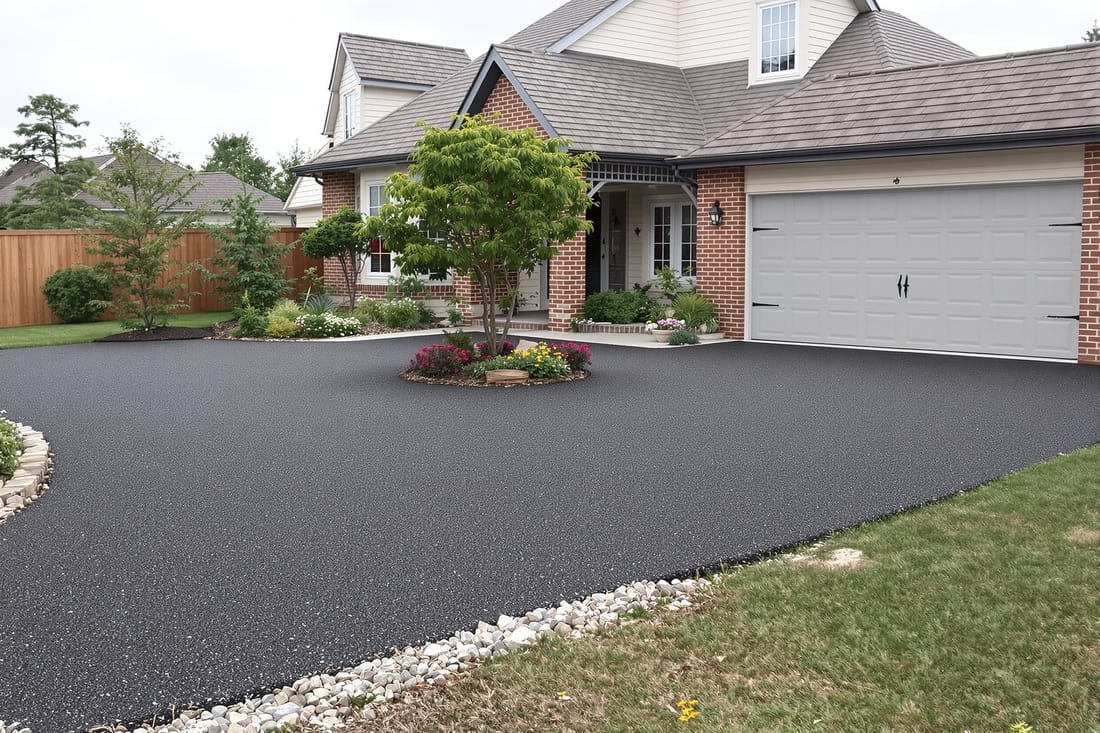
Tired of mud and dust from your gravel drive Our gravel to asphalt driveway service in Tuscaloosa, AL upgrades loose stone surfaces to smooth, low maintenance blacktop with proper grading, base work, and compaction for long term performance.
Precision Asphalt Tuscaloosa provides professional gravel to asphalt driveway throughout Tuscaloosa, AL, Alabama and the surrounding area. Our licensed, insured crew delivers safe, clean, on-time work with a free estimate before anything begins. Call (205) 843-7673 or request your free quote.
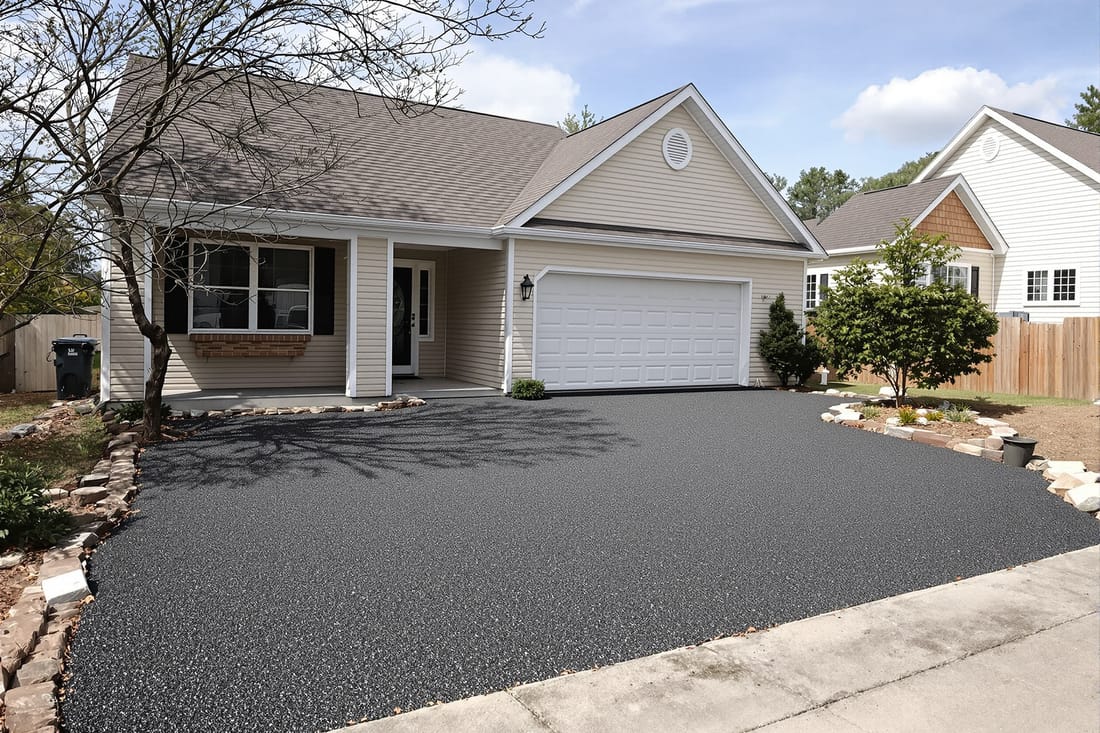
Turn Your Gravel Driveway Into a Smooth Asphalt Surface
If you are tired of ruts, dust, and loose stone, a gravel to asphalt driveway conversion can make daily life easier and protect your vehicles. Precision Asphalt Tuscaloosa specializes in taking existing gravel driveways in Tuscaloosa and nearby communities and turning them into clean, durable asphalt surfaces that drain correctly and hold up to Alabama weather.
Instead of treating your driveway as an afterthought, we look at it as part of how you use your home. We ask how many vehicles you park, where delivery trucks turn around, and whether kids play or ride bikes on the drive. That information shapes the width, thickness, and layout of your new asphalt so it actually works for your family instead of just covering the gravel you already have.
Our local crews have worked on everything from short rural driveways off Highway 43 to long shared drives in newer Tuscaloosa subdivisions. That mix of experience means we know how different soils, slopes, and drainage patterns around here affect an asphalt surface years after installation, and we plan your gravel-to-asphalt conversion with that in mind.
How We Convert Gravel To Asphalt Driveways Step by Step
A solid asphalt driveway starts under the surface. Precision Asphalt Tuscaloosa follows a consistent process so your new pavement does not crack, rut, or hold water after the first heavy rain.
1. Site evaluation and layout. We walk the full length of your gravel driveway, check soil firmness with a probe, look for soft spots where vehicles sink after a storm, and note how water currently drains. We also confirm property lines and any right of way issues that might affect widening or re-routing.
2. Grading and shaping. Using a motor grader or skid steer, we cut high spots and fill low spots in the existing gravel. In low areas that stay muddy, we may undercut several inches and replace weak material with compactable stone. We build in a slight crown or cross slope so water runs to the sides instead of pooling in the center.
3. Base improvement and compaction. Many Tuscaloosa gravel drives were never compacted properly when installed. We add crushed stone where needed, then compact the entire base with a heavy vibratory roller. A tight, dense base is what keeps asphalt from flexing and cracking.
4. Edge definition. Before paving, we define the edges with either a clean cut along your yard or, if requested, a flush transition to existing concrete at garages, walkways, or patios. For drives that meet a city or county road, we shape the tie-in according to local requirements so there is no abrupt bump or lip at the street.
5. Asphalt paving. We typically install a 2 to 3 inch compacted asphalt surface mix on residential gravel-to-asphalt conversions in this area. The asphalt is machine laid when access allows, which provides a more uniform thickness and smoother finish than hand spreading. Our crew rakes and checks edges for a clean, finished look, then rolls the surface in multiple passes to lock everything together.
6. Final inspection and homeowner walk through. After compaction, we walk the driveway with you, review drainage, show you where to avoid parking during the first curing period, and point out any existing structures like drains or cleanouts that you should keep clear over time.
Design Choices For Your New Asphalt Driveway
Converting from gravel to asphalt gives you a chance to rethink the layout rather than simply paving the exact footprint you have now. Precision Asphalt Tuscaloosa helps you weigh options depending on your property and budget.
Width and layout. A standard single lane driveway in Tuscaloosa is often 9 to 10 feet wide, which can feel tight when you are trying not to drop a tire into the grass. Many homeowners choose to widen to 11 or 12 feet during a gravel-to-asphalt conversion so passing and backing are easier. On longer rural drives, we sometimes add short turnout sections so two vehicles can pass without backing up.
Parking and turnaround areas. If you currently park on grass shoulders or in a gravel widening near the house, we can integrate that space into the asphalt design as a parking pad or a loop-style turnaround. For smaller city lots, even a compact T-shaped turnaround can make it much easier to pull out facing the street rather than backing into traffic.
Thickness and layering. Not every driveway needs the same asphalt thickness. A short residential drive for cars only can often perform well with a single surface course over a properly compacted base. If you expect heavier loads, such as work trucks, RVs, or frequent boat trailers, we may recommend a stronger base and thicker asphalt layer so you do not have to repair ruts later.
Edges and transitions. We can taper the asphalt down to meet the lawn, blend into existing concrete aprons, or create a slight shoulder of gravel for additional support. Around Tuscaloosa, many HOAs want a neat, defined edge line along the street, which we can create with careful machine work and hand finishing so the driveway looks intentional instead of patched together.
Local Factors In Tuscaloosa That Affect Your Gravel To Asphalt Driveway
The same gravel-to-asphalt driveway job done in another state may not perform the way it does here because of our specific soil and weather. Precision Asphalt Tuscaloosa plans your project based on what actually happens in West Alabama yards, not just what a textbook says.
Soils and moisture. Many Tuscaloosa properties have clay soils that hold water. If we simply pave over soft, wet areas, the asphalt will flex and crack. Where we find pumpy or spongey spots under your gravel, we dig out and replace that material with a more stable stone base, then compact in layers. On low-lying lots or near drainage ditches, we may suggest adding shallow swales or French drains beside the driveway so water has a place to go.
Heat and sun exposure. Alabama summers are hot, and long, full sun driveways can reach very high surface temperatures. We choose mix designs and compaction practices that handle thermal movement without premature surface aging. We also talk with you about sealcoating schedules that match our climate, rather than a one size fits all timeline.
Tie-ins to public roads. If your gravel drive connects to a Tuscaloosa city street or a Tuscaloosa County road, there may be specific standards for how the asphalt meets the roadway. While simple resurfacing usually does not require formal permits, new or significantly reconfigured entrances sometimes need review or a basic driveway permit from the road authority. We help you understand whether that applies to your project and can build the entrance to the posted specifications for slope and visibility.
HOA and neighborhood expectations. Many newer Tuscaloosa subdivisions encourage or require hard-surfaced driveways. If your HOA has guidelines on width, appearance, or where the driveway can run, we design your gravel-to-asphalt conversion to fit those rules and can provide a written scope of work if your board wants to review it before you proceed.
What Affects Cost And Timeline For A Gravel To Asphalt Conversion
Homeowners often ask why two similar length driveways can have different prices. Precision Asphalt Tuscaloosa is transparent about what drives the cost of turning your gravel driveway into asphalt so you can make clear decisions.
Base condition. The biggest variable is how much work your existing gravel base needs. A long driveway with a deep, well compacted gravel bed might only need minor grading before asphalt. Another driveway of the same length that has thin gravel laid over soft clay will require more undercutting, stone, and compaction, and that adds time and material cost.
Length, width, and access. Longer and wider driveways obviously use more asphalt mix and base stone. Access also matters. If trucks and paving machines cannot reach a section easily, more handwork is required, and production slows. We look at trees, fences, septic systems, and tight turns during our site visit so we can price the job based on the real working conditions.
Drainage improvements. If water currently runs across your driveway or stands in puddles, we may recommend extra grading, ditches, or small culverts. Handling drainage while we pave is usually less expensive than trying to fix washouts later, but it does change the scope.
Schedule and curing. Most residential gravel-to-asphalt driveway conversions can be completed in one to two working days once we start, depending on size and complexity. You can usually walk on the new surface almost immediately, and we generally recommend avoiding parking heavy vehicles on it for 3 to 5 days, particularly in very hot weather, so the asphalt can cool and gain strength.
We provide written estimates that break out base preparation, asphalt paving, and any drainage or layout options separately. That way you can see where your money is going and choose upgrades or adjustments that match your budget.
Choosing Precision Asphalt Tuscaloosa And What To Expect
Converting a gravel driveway to asphalt is a permanent change to how you use your property, so you should know exactly what to expect. Precision Asphalt Tuscaloosa focuses on clear communication before, during, and after your project so there are no surprises.
Before we schedule work, we walk your driveway with you, listen to how you use it, and talk about any problem areas you want solved. We explain our recommendations in plain language, for example why a certain section needs more base or why we are suggesting a specific driveway width. You receive a written proposal so you can review it with family members or, if needed, your HOA.
On paving day, our crew arrives with the grading equipment, rollers, and asphalt trucks needed for your particular project. We protect nearby landscaping as much as practical, coordinate vehicle access so you are not boxed in, and keep you updated on progress. Most homeowners can use their new driveway the same evening for light traffic.
After completion, we review care instructions, such as when to schedule the first sealcoat, how to handle minor scuffing from tight steering during the first weeks, and what to watch for after heavy rains. If you notice any areas that do not look right during that initial period, you can call us and we will come back to take a look. Our goal is that your new gravel-to-asphalt driveway in Tuscaloosa feels like a genuine upgrade in convenience and appearance, not just a new surface over old problems.