Home › Asphalt Milling and Reclamation
Prepare your site for new pavement with asphalt milling in Tuscaloosa, AL. We mill and reclaim existing asphalt to correct grades, remove ruts, and create a stable base for fresh overlays or reconstruction on roads and parking lots.
Precision Asphalt Tuscaloosa provides professional asphalt milling throughout Tuscaloosa, AL, Alabama and the surrounding area. Our licensed, insured crew delivers safe, clean, on-time work with a free estimate before anything begins. Call (205) 843-7673 or request your free quote.
Asphalt Milling and Reclamation in Tuscaloosa, AL
Precision Asphalt Tuscaloosa provides asphalt milling and reclamation for commercial, municipal, and residential clients across Tuscaloosa and the surrounding communities. When asphalt surfaces are cracked, rutted, or holding water but the base is still mostly solid, milling and reclamation can restore the pavement without the cost of a full tear out and rebuild.
In Tuscaloosa we use milling and reclamation for shopping center parking lots, apartment complexes, subdivision streets, industrial yards, school campuses, and heavily traveled drive lanes. Instead of simply overlaying with new asphalt, which can raise grades and create drainage problems, we carefully remove or recycle the existing pavement so the finished surface drains correctly and ties neatly to gutters, sidewalks, and building entrances.
Every project starts with a site visit. We core or probe the pavement in several locations to check asphalt thickness and base quality, observe traffic patterns, and identify drainage issues created by Alabama clay soils and heavy rainstorms. Based on that evaluation, we recommend either traditional cold milling, full depth reclamation, or a combination of both in different areas of the property.
How Asphalt Milling Works Step by Step
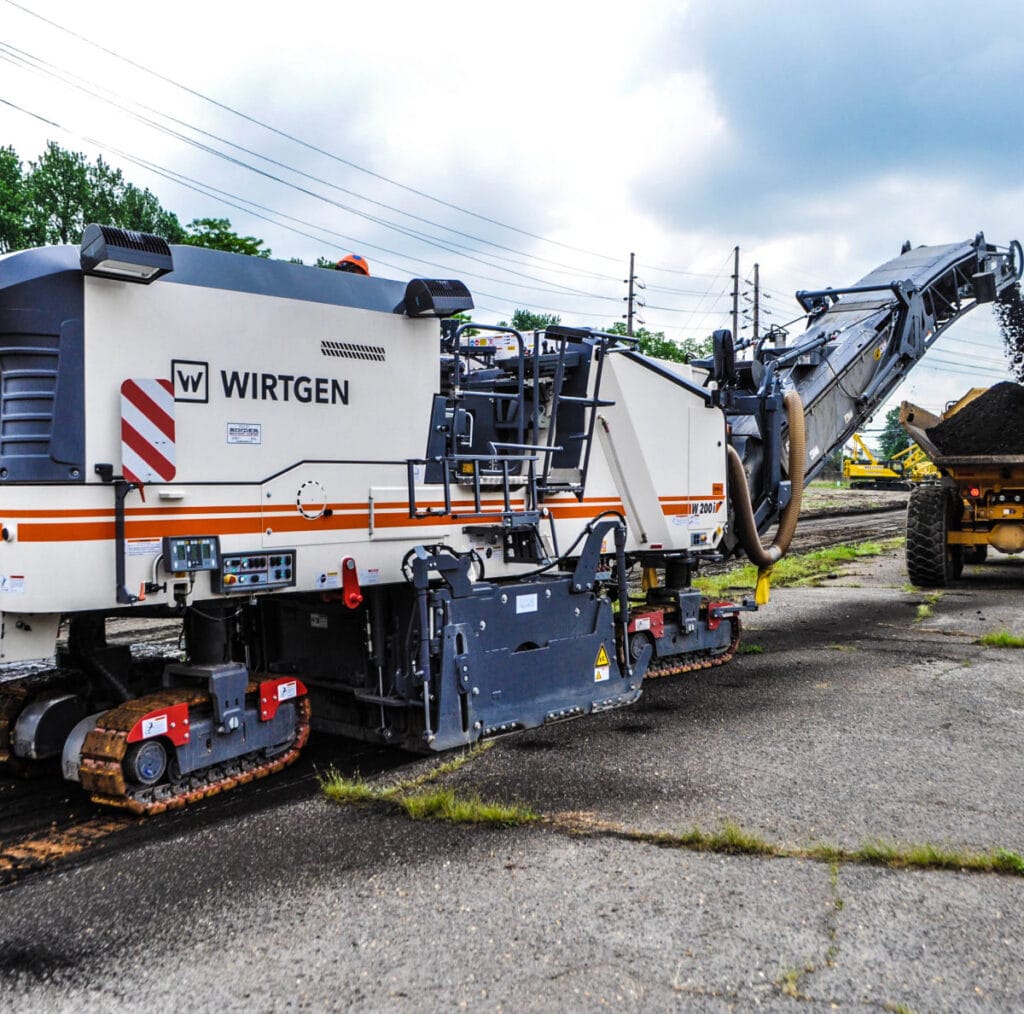
Asphalt milling uses a cold planer to grind off a controlled depth of asphalt so we can resurface on a sound, properly graded base. Precision Asphalt Tuscaloosa crews follow a repeatable, detailed process.
First, we mark utilities and sensitive structures, then set traffic control so your site stays safe and functional during work. On commercial lots we often mill during off hours or in sections so tenants and customers still have access.
Next, we calibrate the milling machine to the exact removal depth, often 1 to 3 inches for parking lots and 2 to 4 inches for roadways. Our operators adjust drum speed, forward speed, and water spray based on the existing mix, ambient temperature, and moisture content. This helps avoid tearing and delamination of the underlying layer.
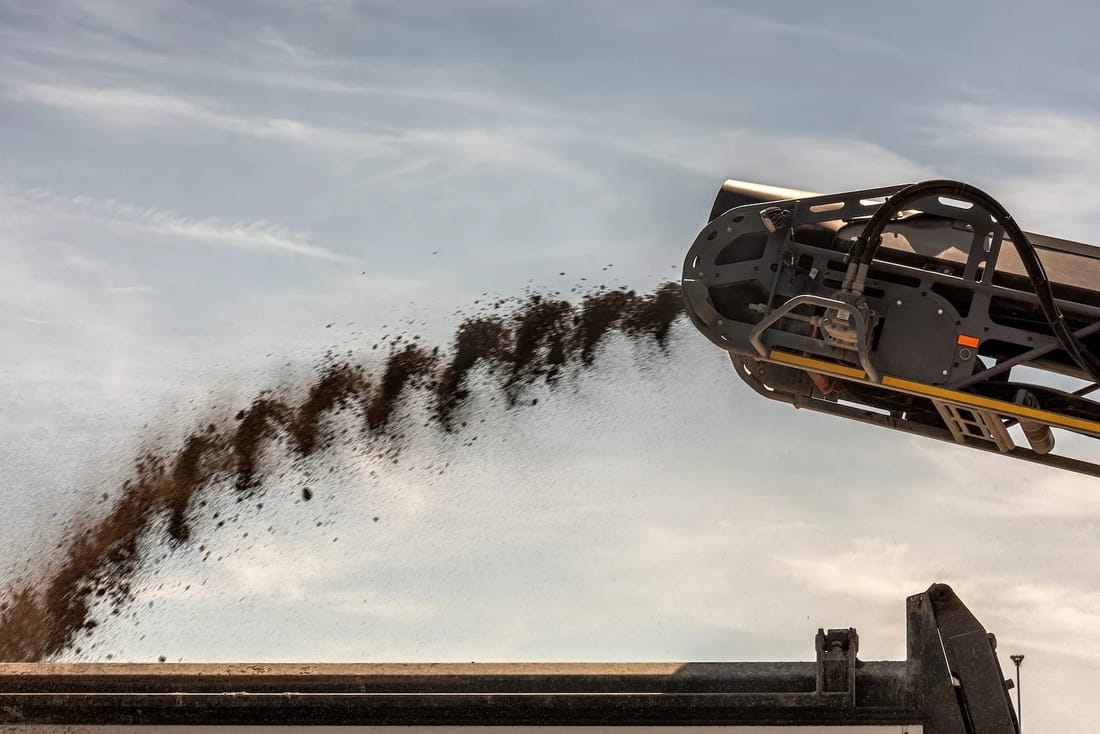
The milling machine cuts the asphalt into small, reusable pieces, which are conveyed into dump trucks running in tandem. We then fine grade and compact the milled surface using a motor grader or skid steer and vibratory rollers. We correct minor rutting and ponding at this stage, before the new lift of asphalt goes down.
Finally, we sweep the surface thoroughly with a mechanical sweeper, apply a tack coat to bond the new asphalt to the milled layer, then place and compact the new surface course with steel and pneumatic rollers. The result is a smooth profile at the original curb and gutter elevation, without the step up that overlays can create.
Full Depth Reclamation and When It Makes Sense
Full depth reclamation is more aggressive than standard milling. Instead of just taking off the top layer, we pulverize the full thickness of asphalt and part of the aggregate base, then rework and compact it to create a new stabilized base in place.
In Tuscaloosa this approach is ideal for older asphalt that has deep alligator cracking, severe base failures, or repeated patching that never seems to hold. We frequently recommend reclamation for older subdivision streets with failing edges, industrial sites where heavy trucks have broken down the base, and rural drives that were originally built with thin asphalt over clay.
The process begins with depth checks and test pits to determine how far the damage extends. We then use a reclaimer/stabilizer to mix the existing asphalt and base material to a specified depth, often 6 to 10 inches. Depending on engineering requirements, we may add cement, fly ash, or other stabilizers to increase strength and resistance to moisture.
Once mixed, we blade the material to proper grade and cross slope, compact it with padfoot and smooth drum rollers, and perform field density testing. After curing as required by the chosen stabilizer, we place one or more new asphalt lifts on top. This approach reuses existing materials, lowers disposal costs, and often delivers a stronger base than the original construction.
Local Issues That Affect Asphalt Milling in Tuscaloosa
Tuscaloosa pavements face a specific combination of heat, moisture, and soil conditions that directly affect how milling and reclamation should be done. Precision Asphalt Tuscaloosa tailors our work to these local realities.
Alabama red clay holds water, so poor drainage quickly turns into base failures. Before we mill, we look closely at where water actually flows after a storm. If we see consistent ponding around inlets, building entrances, or low spots in a parking lot, we modify the milling plan to reshape those areas. That may mean deeper milling at the low spots or changing cross slopes so water drains away from buildings.
Seasonal temperature swings and UV exposure also harden and oxidize the upper layer of asphalt. When we mill oxidized surfaces, we pay special attention to the bond between layers. If we see widespread delamination, we may recommend deeper milling or partial reclamation to remove the weak interface.
Heavy traffic from university events, delivery trucks, and industrial operations around Tuscaloosa creates ruts in wheel paths. On milled projects we often cut slightly deeper in rutted lanes, then tighten compaction tolerances when placing new asphalt there. This targets the root cause of the rutting instead of simply covering it with another thin layer.
Cost Factors and How to Control Your Budget
Several specific variables drive the cost of asphalt milling and reclamation, and understanding them helps Tuscaloosa property owners plan realistic budgets.
The most important factor is depth and area. Shallow milling over a large, open parking lot is less expensive per square yard than deep milling through multiple layers of patchwork asphalt or performing full depth reclamation. Complex areas around islands, loading docks, and tight turns increase machine time and cleanup labor.
Access and phasing also matter. If we can move equipment freely and mill in long, uninterrupted passes, production rates are high and costs are lower. Apartment complexes and active retail centers often need work in phases to maintain access, which adds mobilizations and traffic control.
Material handling plays a role too. If we can recycle the milled asphalt into a nearby paving project or at a local plant, disposal and haul costs stay low. When full depth reclamation is feasible, you save on both trucking and new aggregate, because the existing asphalt and base become your new stabilized foundation.
To keep costs in check, Precision Asphalt Tuscaloosa often prepares a phased plan that groups high priority areas first, with optional sections that can be scheduled in later budget years. We can also provide alternates comparing standard milling and overlay to reclamation so you can see up front where long term savings may outweigh slightly higher initial costs.
Common Problems We Solve With Milling and Reclamation
Many calls we get in Tuscaloosa start with the same complaints: water standing in parking lots after a storm, rough surfaces that rattle vehicles, or repeated patches that keep failing in the same spots. Milling and reclamation are often the most cost effective ways to address these underlying problems.
For drainage issues, we use grade milling to lower transitions and restore proper cross slope. For example, a retail center may have a low area in front of the storefronts where water collects. Instead of raising the whole lot with an overlay, we mill deeper near the building, adjust the grade, and then pave so water flows to the nearest inlet.
Where the surface is raveling or shedding aggregate, shallow milling removes the brittle, oxidized layer and provides a clean, textured surface for a strong bond with new asphalt. If we see widespread structural cracking or soft spots that pump water when loaded, we know the base is compromised. In those areas, full depth reclamation lets us rebuild the base without hauling everything away.
We also use selective milling around manholes, inlets, ADA ramps, and dock doors to match elevations precisely. This prevents the trip hazards and abrupt bumps that often appear when overlays are installed without prior milling.
What to Expect When You Hire Precision Asphalt Tuscaloosa
When you contact Precision Asphalt Tuscaloosa about asphalt milling or reclamation, we schedule an on site evaluation and walk the pavement with you. We discuss how the area is used, traffic volumes, drainage concerns, and any scheduling constraints such as school calendars or store operating hours.
Next, we prepare a detailed scope that may include a mix of services: shallow milling in good areas, deeper milling in rutted lanes, spot reclamation in failed patches, and standard overlay where the base is sound. We explain why each area is treated a certain way and provide clear quantities and unit pricing so you can see how the total cost is built.
During construction, our crew foreman is available on site to coordinate phasing, signage, and access routes. For commercial and multi family properties, we often provide a simple map you can share with tenants showing which sections will be closed and when. We maintain a clean site, control dust with water on the milling machines, and sweep thoroughly before opening areas back to traffic.
After the work is complete, we walk the project with you, confirm that drainage, ride quality, and tie ins meet expectations, and provide maintenance recommendations specific to your new surface. With proper sealcoating and crack sealing at the right intervals, a milled and overlaid or reclaimed and resurfaced pavement can provide many additional years of service before major work is needed.