Home › Commercial Gravel-to-Asphalt Conversions
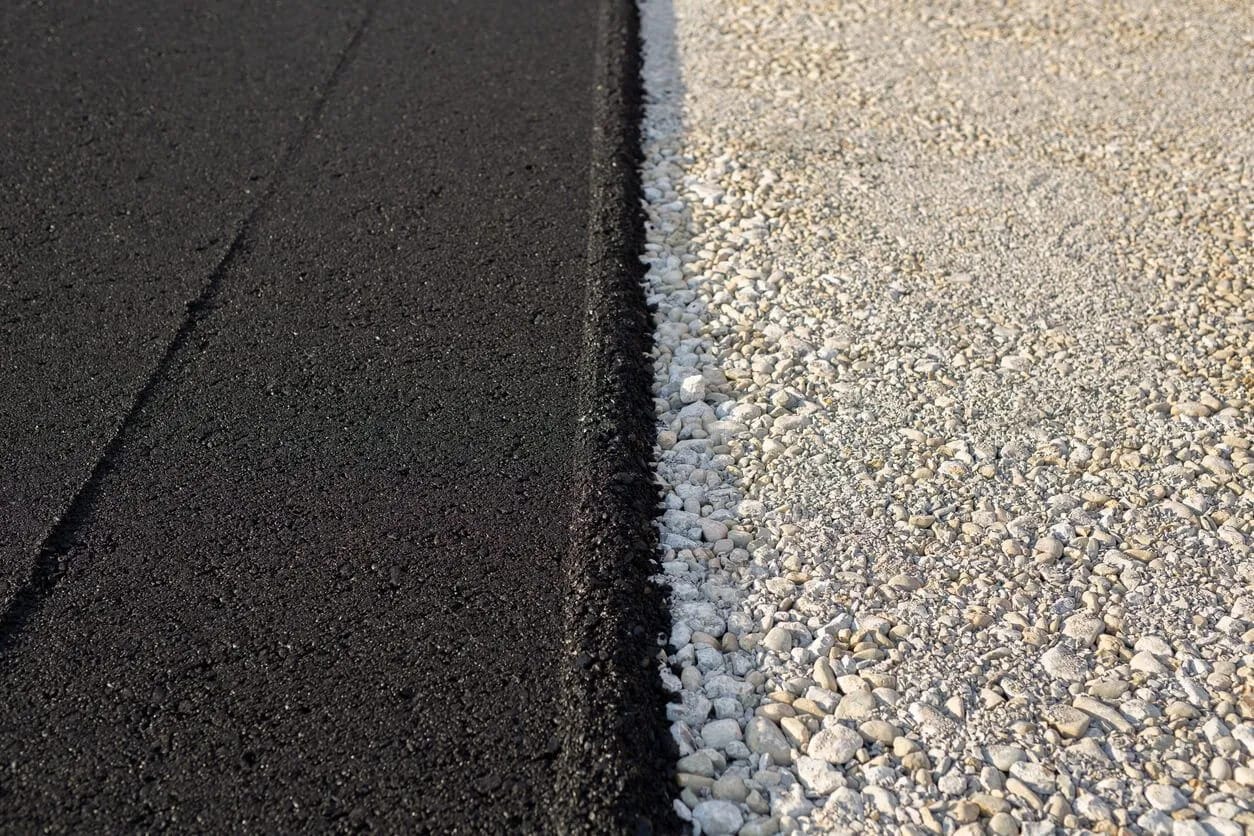
Transform dusty gravel yards and drives with commercial gravel to asphalt conversions in Tuscaloosa, AL. We grade and compact your existing surface, then install durable asphalt that reduces dust, mud, and maintenance for your business.
Precision Asphalt Tuscaloosa provides professional commercial gravel to asphalt throughout Tuscaloosa, AL, Alabama and the surrounding area. Our licensed, insured crew delivers safe, clean, on-time work with a free estimate before anything begins. Call (205) 843-7673 or request your free quote.
Commercial Gravel-to-Asphalt Conversions for Tuscaloosa Properties
If you are tired of dust, mud, and constant ruts in your commercial gravel lot, Precision Asphalt Tuscaloosa converts gravel surfaces into durable asphalt pavement built for real traffic. We work with shopping centers, medical offices, industrial sites, churches, and multifamily complexes across Tuscaloosa, AL.
A commercial gravel to asphalt project is not just spreading blacktop over rock. The existing base has to be evaluated, reworked, and often upgraded so the new pavement holds up to Alabama heat, sudden storms, and heavy vehicles. Our crew focuses on drainage, base stability, and asphalt thickness specific to your use so you are not paying for a surface that fails early or for extra thickness you do not need.
We are local, so we plan work around Tuscaloosa weather patterns. For large parking lots and access drives, we typically schedule conversions in the drier parts of spring and fall, and we avoid paving right after heavy rains that leave the base soft. That timing decision is one of the biggest factors in how long your new asphalt will last.
Site Evaluation, Drainage, and Base Correction
Every commercial gravel to asphalt conversion in Tuscaloosa starts with a site walk and elevation check. We look at where water currently flows, where it ponds, and where truck traffic is rutting the gravel. Those trouble spots usually predict where asphalt will fail if we do not correct the base first.
We shoot grades with a laser level to see if the lot can drain to existing swales, culverts, or city inlets. In older gravel lots, we often find low spots that have been repeatedly filled with loose gravel. Those pockets are soft and must be cut out and replaced with compacted aggregate base stone.
For most commercial properties we use a graded aggregate base (GAB) compacted in layers with a vibratory roller. In Tuscaloosa clay soils, we sometimes add a geotextile fabric under the base in areas that stay soft after rain. This fabric keeps the rock from pumping down into the subgrade and helps control long term settlement.
If your site sees regular semi traffic, dumpster trucks, or heavy deliveries, Precision Asphalt Tuscaloosa will likely recommend a thicker base and a heavier asphalt design around loading areas and drive lanes than in light duty parking stalls. We spell out these differences in our proposal so you know exactly what is going under the pavement in each section of your lot.
How We Convert Gravel Lots to Asphalt Step by Step
Once we correct the base design, we move into the actual conversion process. The steps look similar from job to job, but the details, depths, and materials are specific to each Tuscaloosa property.
1) Strip and regrade existing gravel: We blade off loose gravel and fines, then reuse suitable stone in building the new base. This reduces import costs when the existing rock is clean and thick enough.
2) Shape drainage: With motor graders and skid steers, we create consistent slopes, usually 1.5 to 2 percent, so water leaves the pavement quickly. Where drainage is poor, we may install new culverts, cut shallow swales, or add small catch basins tied into your existing storm system.
3) Compact base in lifts: The base stone is placed in layers, usually 3 to 4 inches thick, and compacted with a steel drum roller and plate compactors around curbs and structures. We test for firmness under the roller and by proof-rolling heavy equipment to see if the surface pumps or deflects.
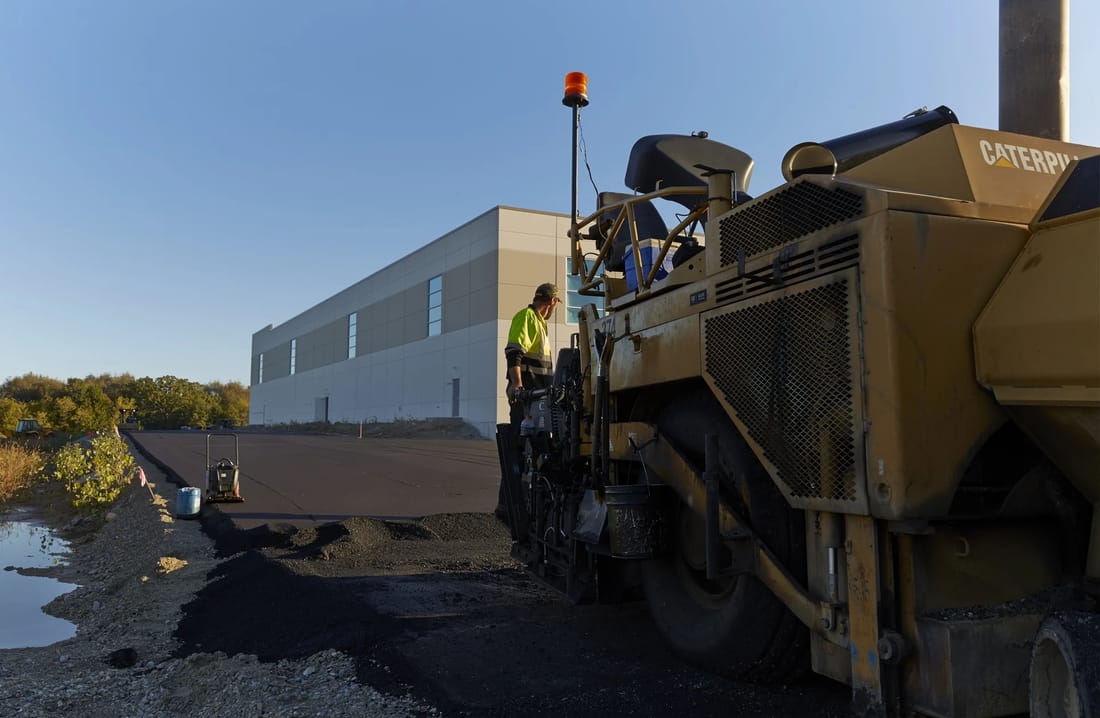
4) Tack coat and asphalt placement: Once the base is dense and dry, we apply an asphalt emulsion tack coat that bonds the asphalt to the stone. For most commercial parking lots, we put down a base course of asphalt, then a finer surface course on top. Typical total thickness ranges from 3 to 5 inches depending on traffic and budget.
5) Compaction and joint treatment: We compact with multiple roller passes while the asphalt is still hot so we get proper density and a tight, smooth finish. At tie-ins to existing streets or older pavement, we saw cut, clean, and seal joints so water does not leak under the edge and cause early failure.
6) Striping and signage: After the asphalt has cooled, we layout and paint parking stalls, ADA spaces, fire lanes, and directional arrows based on your site plan and local code requirements. We can also install wheel stops and traffic control signs if needed.
What Drives Cost in Commercial Gravel-to-Asphalt Work
Two Tuscaloosa gravel lots that look similar on the surface can have very different conversion costs. Precision Asphalt Tuscaloosa breaks pricing down so you can see where the money goes and where you have options.
Base repair and thickness: The biggest cost variable is how much base work is needed. A well maintained gravel lot with plenty of compacted stone can sometimes be fine-tuned with grading and an additional base layer. A lot with deep ruts, ponding, or mud will need more excavation, more rock, and possibly fabric reinforcement.
Asphalt mix and depth: Light duty parking for cars can often perform well with a thinner asphalt section and a standard commercial surface mix. If your site has forklifts, tractor trailers, fuel deliveries, or garbage trucks turning in tight areas, we typically design heavier asphalt in those wheel paths. That extra material affects price but prevents rutting and shoving.
Drainage improvements: Adding or adjusting drainage structures and tying into existing storm systems can be another cost factor. Ignoring drainage is cheaper up front but nearly always shows up later as potholes, edge failures, and alligator cracking.
Access and phasing: A tight downtown Tuscaloosa site with limited access and constant customer traffic can take longer and cost more to phase, since we have to pave in smaller sections and work around business hours. Large, open sites outside town that can be shut down for a day or two are usually more efficient.
We provide written proposals that separate out base work, paving, and striping, so owners and property managers can decide where to invest more and where to scale back without guessing at the impact on performance.
Timing, Weather, and Operating During Construction
In Alabama, heat and rain are the two big scheduling factors. Precision Asphalt Tuscaloosa watches the forecast closely before paving. We avoid placing asphalt on a saturated base or immediately before heavy storms. That choice might delay the job by a day, but it greatly reduces the chance of early surface defects.
During summer, we often start earlier in the morning to work with cooler temperatures, which helps with compaction and finish quality. In colder months, we pay attention to ground temperature and shorter daylight hours so the asphalt does not cool too fast.
For active commercial properties, we set up a phasing plan so you can keep operating. That might mean converting one half of the lot at a time, creating temporary entrances, or working on weekends or off peak hours. We place clear barricades and signage, and we coordinate with your management team so deliveries and customer flow are not a surprise.
Cure time for new asphalt is shorter than concrete, but we still recommend keeping heavy traffic off the new surface for at least 24 hours if possible, especially in hot weather when asphalt is more pliable. We give you specific opening times for cars, box trucks, and semis based on mix design and conditions the day of paving.
What Tuscaloosa Owners Should Decide Before Hiring
A successful commercial gravel to asphalt conversion starts with clear priorities. Before you request bids, it helps to answer a few practical questions.
Traffic profile: How many vehicles use your lot daily, and what types? A medical office with mostly cars and occasional delivery vans can use a different pavement design than a warehouse with daily semi traffic and forklifts crossing the lot.
Expansion plans: If you plan to add buildings, drive-thru lanes, or more parking within a few years, we can shape the new asphalt work so it ties into future phases cleanly. Sometimes that means thickening certain edges or leaving specific transitions.
Appearance versus budget: A full mill and overlay in certain areas, decorative striping layouts, or concrete islands all improve appearance but also increase cost. We can show you a basic functional layout and then optional upgrades so you can choose what matters most.
Maintenance expectations: Asphalt requires periodic sealcoating and crack filling to reach its full life. Precision Asphalt Tuscaloosa can give you a maintenance schedule and budget projection during the bid process so you know the long term cost, not just the initial price.
When you are ready, we can walk your Tuscaloosa property, measure the site, probe the existing base, and provide a detailed, line item proposal for converting your commercial gravel lot into a durable asphalt surface tailored to your traffic and budget.